How to remove set in carpet stains without damaging fibres
If you have ever stared at a stubborn patch on the carpet and thought, "Right, that's staying forever," you are not alone. Set-in stains can look hopeless, especially once they have dried, darkened, or been walked over for days. The good news is that how to remove set in carpet stains without damaging fibres is often more about patience, the right approach, and avoiding heavy-handed scrubbing than it is about miracle products.
This guide walks you through what actually works, what can go wrong, and how to treat different types of stains without roughing up the carpet pile or weakening the backing. Whether you are dealing with tea, coffee, mud, pet mess, or that mysterious mark by the sofa, you will find a calm, practical method here. And yes, some stains are simply more stubborn than others. Carpet is a bit like a memory foam mattress sometimes: it remembers everything.
Why How to remove set in carpet stains without damaging fibres Matters
Once a stain has set, it is no longer sitting neatly on the surface. It has usually soaked into the pile, dried in place, and sometimes started bonding with the carpet fibres. That is why a quick dab that would have worked on a fresh spill often does very little a day or two later.
The main risk is not just a visible mark. Over-aggressive cleaning can flatten the pile, fray delicate fibres, or leave a bleached patch that stands out even more than the original stain. On wool carpets, for example, rough treatment can leave the texture looking tired and patchy. Synthetic fibres are tougher, but they are not invincible either. Truth be told, plenty of carpets end up looking worse after a panicked DIY attempt than they did before the cleaning started.
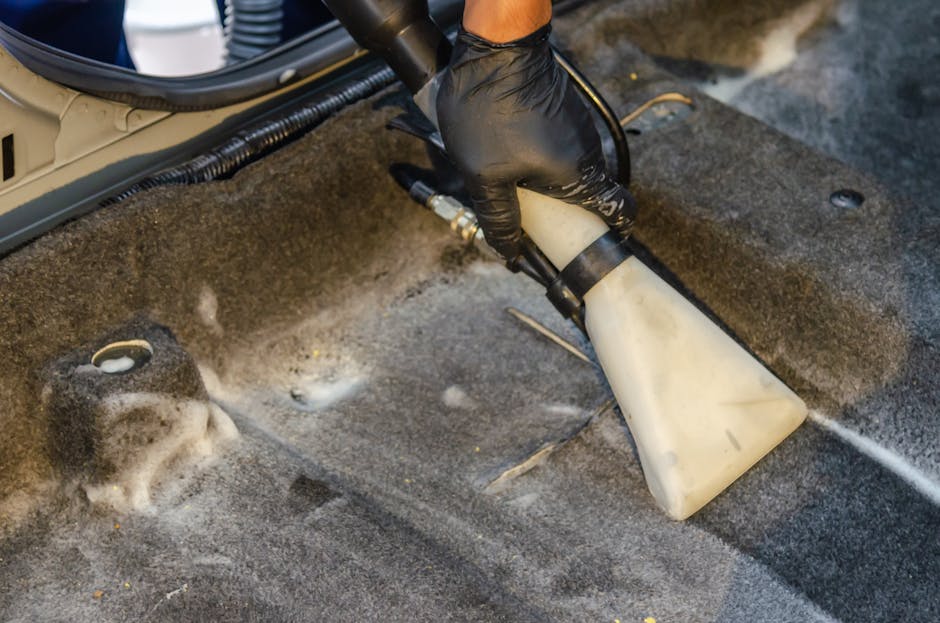
It matters because carpet replacement is expensive, but so is permanent fibre damage. A careful method gives you the best chance of restoring the area without creating a ring, a fuzzy patch, or that slightly shiny "clean spot" that never quite blends in. If the stain covers a larger area or you are already planning a proper refresh, it may be worth reading about professional carpet cleaning as part of a longer-term approach.
There is also a practical side. In rented homes, shared homes, offices, or busy family spaces, a clean carpet helps the whole room feel cared for. You notice it when you walk in: the room smells fresher, the floor looks brighter, and the space feels less tired. Small thing, maybe. But it changes the feel of the place.
How How to remove set in carpet stains without damaging fibres Works
Set-in stain removal works by breaking the bond between the stain and the carpet fibres, then lifting the residue out without forcing it deeper. The cleaning method you choose depends on three things: the type of stain, the fibre type, and how long the mark has been there.
Most carpet stains fall into one of a few groups:
- Water-based stains such as tea, coffee, juice, or diluted sauce.
- Oil-based stains such as grease, makeup, lotion, or food oils.
- Protein-based stains such as milk, blood, or pet accidents.
- Soil and mud that dries in the pile and clings to the fibre structure.
Each type needs a slightly different approach. For instance, oily marks usually need a little surfactant action to loosen the grease, while protein stains are often best treated with cool water and careful blotting rather than heat. Hot water can "cook" some stains into the carpet, which is exactly the opposite of what you want. Annoying, yes. Common, also yes.
Fibre type matters just as much. Wool, wool blends, nylon, polyester, and polypropylene all behave differently. Wool is resilient but can be sensitive to alkaline cleaners and excess moisture. Polypropylene is more stain-resistant but can still trap grime deep in the pile. If you are not sure what your carpet is made from, assume a cautious first pass and test every cleaner in a hidden spot first.
In practice, the safest route is usually: dry removal first, minimal liquid, gentle agitation, controlled dwell time, and repeated blotting. Not scrubbing. Blotting. A lot of people skip that distinction and wonder why the carpet looks tired afterwards.
Key Benefits and Practical Advantages
Taking the careful route is not just about being fussy. It gives you better outcomes, less risk, and often less overall work in the long run.
- Protects the pile: gentle treatment helps the carpet keep its texture and appearance.
- Reduces colour loss: you avoid the bleach-like marks that can happen with strong chemicals.
- Improves stain lift: repeated controlled cleaning often works better than one aggressive attempt.
- Prevents spread: careful blotting keeps the stain from travelling outward.
- Supports better indoor air quality: removing residue, odour, and trapped dirt helps the room feel fresher.
- Saves money: preserving the carpet can delay or avoid replacement.
There is also a confidence benefit. Once you know a proper method, the next spill feels less dramatic. You stop reaching for the nearest random bottle under the sink and start making better choices. That alone can save a carpet, honestly.
If you are dealing with a much larger refresh, or the carpet has several marks after a move, renovation, or a busy spell with kids and pets, it may be worth considering a wider clean. Services such as deep cleaning can be a sensible next step when the issue is no longer just one stain but the whole room feeling dull and tired.
Who This Is For and When It Makes Sense
This approach is for anyone dealing with a stain that has been missed in the moment and has now settled in. That could be a householder, tenant, landlord, office manager, or anyone trying to keep a carpet looking decent without calling in a specialist immediately.
It makes sense if:
- the stain is visible but the carpet fibres are still intact;
- you want to try a safe DIY method before booking help;
- the carpet is valuable, wool-rich, or lightly textured;
- you need to avoid excess moisture because of underlay concerns;
- you are preparing for a move-out inspection and want the room to look cared for;
- you have a one-off incident and do not need a full carpet restoration.
Sometimes the better question is not "Can I clean this?" but "Should I clean this myself?" If the stain is old, large, dyed, or unknown, a careful first test is fine. If the mark has already reacted badly to a previous product, be more cautious. More chemicals is not always more cleaning. A lot of people learn that one the awkward way.
For end-of-tenancy situations, carpet stains can become part of a broader reset before handover, especially if the room has seen a lot of foot traffic. In those cases, a combined approach with end-of-tenancy cleaning can help make sure the carpet does not let the side down when the rest of the property looks good.
Step-by-Step Guidance
Here is the safest, most practical process for removing set-in carpet stains without damaging fibres. Take your time with it. Rushing usually creates more mess than it clears.
1. Identify the stain as best you can
Before using anything, work out what you are dealing with. Tea, coffee, pet urine, grease, mud, ink, and makeup all behave differently. If you are unsure, treat the mark as delicate and avoid harsh chemistry.
2. Vacuum the area gently
If the stain is dry and crusted, vacuum first to remove loose grit, crumbs, and debris. This matters more than people think. Dry soil can act like sandpaper when you start blotting, and that is not kind to fibres.
3. Test your cleaner in a hidden spot
Always test a small patch first, preferably somewhere behind furniture or near the carpet edge. Look for colour change, fibre distortion, or a roughened finish. Wait until the test area dries before deciding it is safe.
4. Use the least aggressive method first
Start with cool or lukewarm water and blot with a white cloth. If the stain begins to transfer, that is a good sign. If nothing happens, move up carefully to a mild carpet-safe cleaner or a very dilute solution suited to the stain type.
5. Apply product sparingly
Less is better. Lightly dampen the cloth or apply a small amount to the cloth, not the carpet, where possible. The goal is to control moisture and avoid soaking the backing.
6. Blot, do not scrub
Press down, lift, and repeat. Turn the cloth to a clean section as soon as it picks up colour. Scrubbing frays fibres and can make a stain spread into a larger halo. A soft brush can help on some pile types, but only with a very light touch.
7. Work from the outside inward
Cleaning from the edge toward the centre helps stop the stain from spreading. If you start in the middle and push outward, you can create a bigger stain than the original one. A little backwards, but it works.
8. Rinse lightly
Once the stain starts lifting, dab the area with clean water to remove residue. Leftover cleaner can attract dirt later and cause the patch to re-soil faster than the rest of the carpet.
9. Dry thoroughly
Blot with a dry towel, then allow air movement to finish the job. Open a window if the weather allows, or use a fan. Avoid walking on the area until it is properly dry. Damp carpet can mat down and pick up new dirt very quickly.
10. Repeat only if the fibres still look healthy
If the stain is fading but not gone, repeat the process rather than jumping to something stronger immediately. If the area starts looking fuzzy, discoloured, or tacky, stop there. That is the carpet asking for a different plan.
Expert Tips for Better Results
In our experience, the difference between a decent result and a damaged patch often comes down to small habits. Nothing dramatic. Just good discipline.
- Use white cloths or plain white kitchen roll. Coloured cloths can transfer dye, especially if you are using moisture and pressure.
- Keep moisture controlled. A carpet that feels soaked is already at risk of backing damage, wicking, or odour.
- Work slowly on older stains. A set stain may loosen in stages. That is normal.
- Check the carpet type before using vinegar or alkaline products. Wool can be sensitive, and some fibres do not like extremes.
- Use a spoon or dull edge for dried solids. Gently lift crusted residue before applying water.
- Expect some stains to lighten rather than vanish at once. A better result after two careful passes is still a win.
One useful trick: place a dry towel under your hand when blotting if the carpet is thick or plush. It gives a bit of extra pressure without grinding the pile. Small thing, but handy. Also, if the room smells a bit stale after cleaning, let it breathe. Fresh air beats over-fragranced sprays every time.
If the stain sits on a rug rather than a fitted carpet, the same logic applies, but rugs can need more care around dyes, backing, and fringe. You may find it helpful to review rug cleaning guidance if the item is decorative or handmade.
Common Mistakes to Avoid
Most damage happens from enthusiasm, not bad intentions. The big traps are easy to fall into when you just want the mark gone.
- Scrubbing hard: this roughs up the fibres and can make the stain spread.
- Using too much water: excess moisture can seep into underlay and slow drying.
- Applying bleach or strong stain removers without checking compatibility: colour loss can be permanent.
- Using heat too early: hot water or a hot iron can set certain stains more firmly.
- Mixing cleaners: never combine products unless the label clearly says it is safe.
- Ignoring fibre type: what works on a synthetic carpet may be risky on wool.
- Stopping before rinsing residue: leftover cleaner can attract dirt and leave a sticky feel.
Another common mistake is trying one treatment after another without pausing. When people panic, they often think, "Maybe just one more cleaner, then one more." That is where carpets get into trouble. If a product is not working, stop and reassess instead of going in with a louder version of the same idea.
Tools, Resources and Recommendations
You do not need a cupboard full of specialist products to start. The sensible toolkit is small and fairly ordinary.
| Tool or item | Why it helps | Good use case |
|---|---|---|
| White microfibre cloths | Lift moisture and stain residue without dye transfer | General blotting and rinsing |
| Soft-bristled brush | Helps loosen surface grime gently | Dried mud or lightly embedded marks |
| Spray bottle | Controls water application better than pouring | Targeted dampening |
| Dry towel | Speeds up moisture removal and drying | After rinsing or blotting |
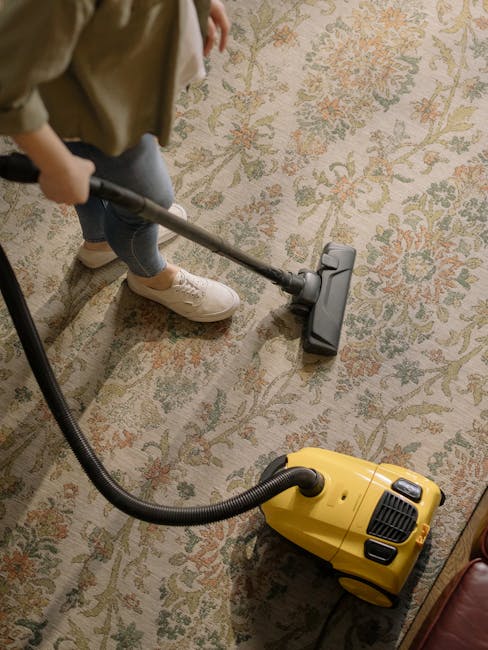
| Vacuum cleaner | Removes loose grit before wet cleaning | Dry soil or flaky residue |
| Carpet-safe stain remover | Can lift specific stains when used carefully | Persistent marks after a test patch |
If the carpet is badly marked, widespread, or already showing wear, it can help to think beyond spot treatment. A maintenance visit from a domestic cleaning service may help with the wider room, while a one-off refresh can suit homes that just need a proper reset after a hectic few months.
And if the stain is part of a bigger tidy-up after works, dust, or renovation mess, then after builders cleaning can be the more relevant route, because fine dust and carpet marks often arrive together. That combination is never fun.
Law, Compliance, Standards, or Best Practice
For most homes, carpet stain removal is a practical maintenance task rather than a regulated activity. Even so, there are sensible UK best-practice points to keep in mind.
First, always follow the product label and safety guidance on any cleaning chemical you use. If a product is marked for certain fibre types only, take that seriously. Labels are there for a reason, even if they do not always read like thrilling bedtime material.
Second, if you are working in a rented property, office, or shared building, avoid anything that could create lingering odours, slippery surfaces, or moisture near electrical equipment. In workplaces, general health and safety expectations also mean keeping walkways dry and using sensible ventilation.
Third, if carpet cleaning is part of an end-of-tenancy handover or a managed property, the standard is usually practical condition rather than perfection. The goal is a clean, presentable finish with no avoidable damage. That is why gentle stain removal matters so much: you are balancing appearance with preservation.
For service expectations, reputable cleaners usually aim for careful treatment, clear communication about stain risks, and an honest explanation of what can and cannot be removed. That is a good standard to expect if you decide not to DIY the job all the way.
Options, Methods, or Comparison Table
There is no single best method for every set-in stain. The right choice depends on the stain and the carpet. Here is a straightforward comparison to help you decide.
| Method | Best for | Risk level | Notes |
|---|---|---|---|
| Cool water blotting | Freshening light water-based marks | Low | Best first step; may need repetition |
| Mild carpet-safe cleaner | General stains, light soil, food marks | Low to medium | Test first; avoid saturation |
| Targeted stain treatment | Specific stains like grease or pet marks | Medium | Choose product carefully by stain type |
| Steam or hot water extraction | Deep soil and wider carpet refresh | Medium to high if misused | Too much heat or moisture can cause issues |
| Professional carpet cleaning | Large, old, or risky stains; delicate carpets | Low when done properly | Useful when DIY options feel too risky |
To be fair, the safest option is not always the most dramatic one. If you are unsure, a gradual method is usually better than a bold one. That is especially true on older carpets where fibres can already be a bit tired.
Case Study or Real-World Example
A common real-world scenario is a living room carpet with an old tea stain near the armchair. It was missed on the day, then stepped on a few times, and by the time the homeowner notices it, the mark has dried into a pale brown ring. Nothing huge, but visible enough to annoy you every time you pass it.
The best approach in that sort of case is usually a dry vacuum first, then a test patch with a mild cleaner, followed by careful blotting and a light rinse. If the carpet is wool blend, going gently matters even more because over-wetting can make the patch look darker before it dries. That can be alarming, but it is not always damage. Sometimes it is just moisture sitting in the fibres.
In one typical outcome, the stain may not disappear fully on the first pass. It might lighten by 70 or 80 percent, which is often enough to make it blend into the carpet rather than jump out at you. That can be a perfectly good result. Not everything has to be flawless to be worth doing.
If the mark sits in a larger area with traffic lanes, the better answer may be a broader service such as one-off cleaning, especially where the carpet has several issues and not just one stain. Sometimes the room needs a proper reset, not just a spot fix.
Practical Checklist
Use this quick checklist before you start. It keeps things calm and reduces the chance of making a mess worse.
- Identify the stain type if possible.
- Vacuum loose dirt and debris first.
- Test any cleaner in a hidden area.
- Use the mildest method first.
- Blot gently with a white cloth.
- Work from the outside of the stain inward.
- Keep moisture to a minimum.
- Rinse lightly to remove residue.
- Dry the area thoroughly.
- Stop if fibres start looking rough, faded, or overworked.
If you are checking the room as part of a wider property clean, it is often sensible to include nearby surfaces too. Skirting boards, upholstery edges, and window ledges can collect the same grime that made its way into the carpet. A coordinated approach often gives a better result than chasing one mark at a time. For related tasks, some homeowners also pair carpet care with upholstery cleaning or window cleaning to freshen the whole room. It sounds a bit extra, but the room genuinely feels better afterwards.
Get a free quote today and see how much you can save.
Conclusion
Knowing how to remove set in carpet stains without damaging fibres is really about restraint, not force. Start with the gentlest method, respect the carpet type, and give the stain time to release rather than attacking it. That approach protects the texture, the colour, and the life of the carpet itself.
Not every mark will vanish completely, and that is okay. A lighter, less obvious stain is still a win if the alternative is fibre damage or a bigger patch of discolouration. If the job feels too risky, or the carpet is simply too valuable to experiment on, getting experienced help can save time, stress, and a few regrets.
Take your time, trust the process, and remember: a careful clean often looks better than a rushed miracle. A neat carpet changes how a room feels, and that small difference can make the whole place feel more like home.
Frequently Asked Questions
What is the safest first step for a set-in carpet stain?
The safest first step is to vacuum the area gently, then test a small hidden patch with cool water or a mild carpet-safe cleaner. That lets you see how the fibres react before you treat the visible stain.
Can I use hot water on an old carpet stain?
Sometimes, but not always. Hot water can help with oily residue in some cases, yet it can also set protein-based stains or damage delicate fibres. If you are unsure, start cool and move up slowly.
Why should I blot instead of scrub?
Blotting lifts the stain out of the carpet. Scrubbing pushes it around, roughs up the fibres, and can create a larger faded patch. It is one of those small habits that makes a big difference.
What if the stain comes back after drying?
That usually means residue has wicked back up from deeper in the pile or underlay. A second careful treatment may help, but repeated soaking is not the answer. Drying thoroughly between attempts matters a lot.
Are vinegar or baking soda safe on carpets?
They can be useful in some situations, but they are not universally safe. Carpet fibre type, dye stability, and stain type all matter. Test first, use sparingly, and avoid assumptions just because a tip works on the internet.
How do I clean a set-in tea or coffee stain?
Blot with cool water first, then use a mild cleaner suited to carpet if needed. Work from the outside inward and avoid over-wetting. Tea and coffee often lighten well with patience, though older marks may need more than one pass.
What if the carpet is wool?
Be extra careful. Wool can react badly to strong alkalis, excess moisture, and harsh agitation. Use gentle products, test carefully, and keep drying time short where possible. When in doubt, less is more.
How long should I leave a cleaner on the stain?
Only as long as the product instructions say, and ideally no longer than needed. Leaving chemicals to sit too long can affect colour or texture. For a homemade or mild solution, keep the contact time short and monitor it closely.
Can a very old stain ever be removed completely?
Sometimes yes, sometimes no. If the stain has chemically altered the fibre or faded the dye, full removal may not be possible. Even then, careful treatment can often improve the appearance enough to make it far less noticeable.
When should I stop DIY and call in help?
Stop if the carpet starts to look fuzzy, discoloured, sticky, or waterlogged, or if the stain is large, unknown, or on a delicate fibre. At that point, a professional approach is usually safer than another round of guessing.
Will cleaning damage the carpet backing or underlay?
It can, if you use too much water or do not dry the area properly. That is why controlled application and good ventilation matter. A surface that feels dry can still hold moisture deeper down, so give it time.
Is professional carpet cleaning worth it for one stain?
For a small, straightforward stain, DIY can be enough. For a valuable carpet, a stubborn mark, or a stain that has already resisted several attempts, professional help is often worth it because it reduces the risk of permanent damage.